
Embracing Sustainable Farming Methods in India

Farming is the heartbeat of India, a land where agriculture has shaped culture, economy, and daily life for centuries. Yet, as the world changes, so must our approach to farming. Embracing sustainable farming methods is not just a choice but a necessity for the future of our soil, our farmers, and our food security. I want to share with you why sustainable farming is vital, how it works, and what steps we can take together to nurture the land responsibly.
Understanding Sustainable Farming Methods
Sustainable farming methods focus on growing food in ways that protect the environment, support farmers, and maintain productivity for generations to come. Unlike conventional farming, which often relies heavily on chemical fertilizers and pesticides, sustainable practices emphasize natural processes and resource conservation.
Some key sustainable farming methods include:
Crop Rotation: Changing the type of crop grown in a particular field each season to improve soil health and reduce pests.
Organic Farming: Avoiding synthetic chemicals and using natural fertilizers like compost and manure.
Agroforestry: Integrating trees and shrubs into farmland to enhance biodiversity and soil quality.
Water Conservation: Using drip irrigation and rainwater harvesting to reduce water waste.
Integrated Pest Management (IPM): Combining biological, cultural, and mechanical methods to control pests with minimal chemical use.
These methods not only protect the environment but also improve the resilience of farms against climate change and market fluctuations. They help maintain soil fertility, reduce pollution, and promote biodiversity.

Why Sustainable Farming Matters in India
India’s agriculture faces many challenges: shrinking landholdings, water scarcity, soil degradation, and the impacts of climate change. Traditional farming methods, while rich in heritage, sometimes struggle to meet modern demands sustainably. On the other hand, intensive farming practices have led to soil exhaustion, groundwater depletion, and chemical pollution.
Sustainable farming offers a way forward. It helps:
Preserve Soil Health: Healthy soil is the foundation of good crops. Sustainable methods replenish nutrients naturally.
Conserve Water: India’s water resources are under pressure. Efficient irrigation and rainwater harvesting save precious water.
Enhance Farmer Livelihoods: By reducing input costs and improving yields, sustainable farming can increase farmers’ income.
Protect Biodiversity: Diverse crops and natural pest control support beneficial insects and wildlife.
Combat Climate Change: Practices like agroforestry and organic farming reduce greenhouse gas emissions and increase carbon sequestration.
By adopting these methods, farmers can build a more secure and prosperous future for themselves and their communities.
What are the initiatives for sustainable agriculture in India?
India has recognized the importance of sustainable agriculture and launched several initiatives to promote it. These programs aim to support farmers with knowledge, resources, and incentives to adopt eco-friendly practices.
Some notable initiatives include:
Paramparagat Krishi Vikas Yojana (PKVY): This scheme encourages organic farming by providing financial assistance to farmers for organic inputs and certification.
Soil Health Card Scheme: Farmers receive detailed reports on their soil’s nutrient status, helping them apply the right fertilizers and avoid overuse.
National Agroforestry Policy: Promotes tree planting on farms to improve soil, water retention, and biodiversity.
Micro Irrigation Fund: Supports the adoption of drip and sprinkler irrigation systems to conserve water.
Zero Budget Natural Farming (ZBNF): A farmer-led movement promoting chemical-free farming using natural inputs and traditional knowledge.
These initiatives are making a real difference on the ground, empowering farmers to transition towards sustainability with government support and community engagement.
Practical Steps to Embrace Sustainable Farming
If you’re a farmer or someone interested in sustainable agriculture, here are some practical steps to get started:
Start Small: Begin with a small plot using crop rotation or organic fertilizers to see the benefits firsthand.
Use Local Resources: Compost kitchen waste and farm residues to create natural fertilizers.
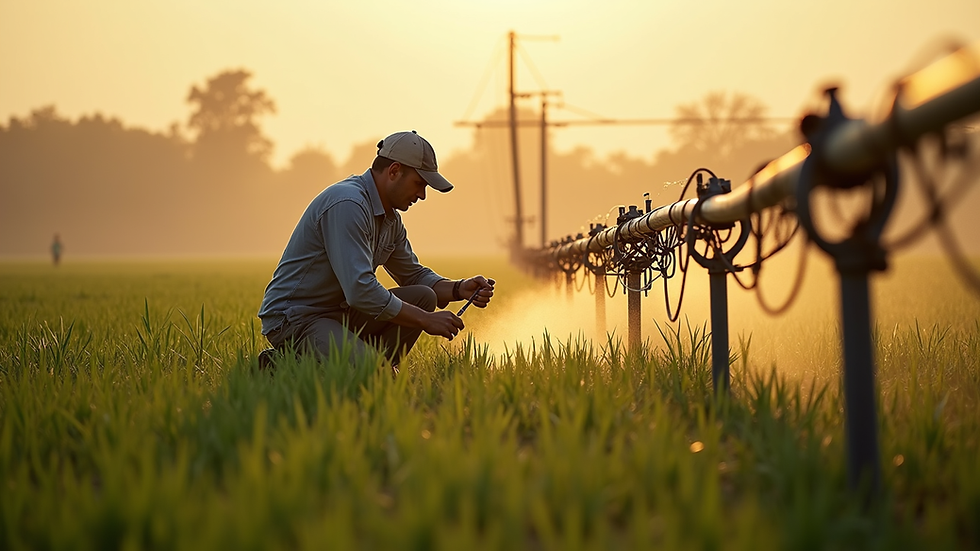
Adopt Water-Saving Techniques: Install drip irrigation or collect rainwater to reduce water use.
Encourage Biodiversity: Plant native trees and flowers to attract beneficial insects and birds.
Learn and Share: Join farmer groups or workshops to exchange knowledge and experiences.
Monitor Soil Health: Regularly test your soil and adjust your practices accordingly.
Reduce Chemical Use: Use integrated pest management to minimize pesticides and protect beneficial organisms.
Remember, sustainable farming is a journey, not a one-time change. Each small step contributes to a healthier farm and environment.
The Future of Farming in India
Looking ahead, sustainable farming methods will play a crucial role in shaping India’s agricultural landscape. With increasing awareness, technological advances, and supportive policies, more farmers are discovering the benefits of working with nature rather than against it.
The path to sustainability is also a path to resilience. It helps farmers withstand unpredictable weather, fluctuating markets, and resource constraints. It nurtures the soil that feeds us and the ecosystems that sustain life.
Together, by embracing sustainable farming methods, we can cultivate a future where agriculture thrives in harmony with nature. It’s a future where every seed sown is a promise of health, prosperity, and hope.
If you want to explore more about sustainable farming india, there are many resources and communities ready to support you on this rewarding journey.
Let’s nurture the earth with care and grow a greener tomorrow.


Comments